Hair loss is a common concern that can affect both men and women. Genetics, hormonal changes, nutritional deficiencies, stress, medical conditions, and scalp disorders may contribute to thinning hair or a receding hairline. Different treatment options are available depending on the cause, severity, and progression of hair loss.
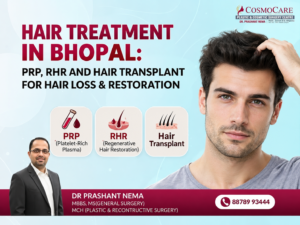
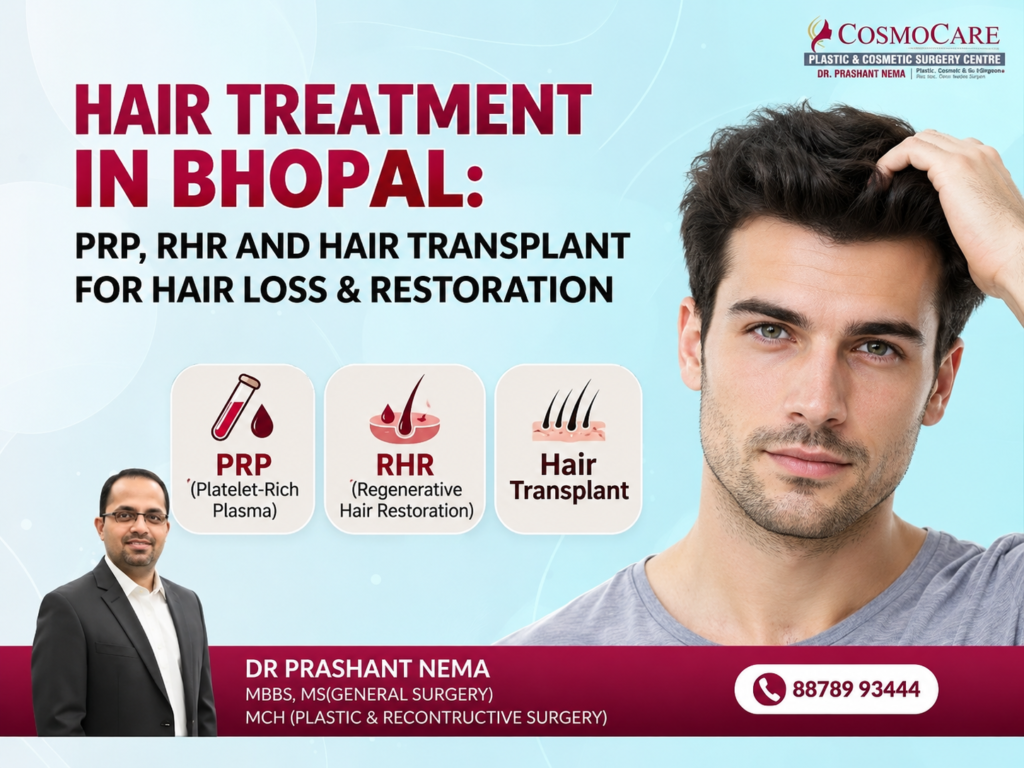
Hair Treatment in Bhopal includes medical evaluation and suitable hair restoration options such as Platelet-Rich Plasma (PRP), RHR-based procedures, and hair transplantation. Each method has a different purpose, and the right approach depends on the patient’s scalp health, existing hair density, donor hair availability, and treatment goals.
People exploring Hair Loss Treatment in Bhopal should first understand why their hair is falling. Some patients may benefit from medical treatment, while others may be suitable candidates for PRP or hair transplantation. An accurate diagnosis helps prevent unnecessary procedures and supports informed treatment decisions.
For people living around NMR, A-400, New JK Road, and Minal Residency, choosing an appropriate hair restoration service begins with a consultation, scalp assessment, and discussion of available treatment options.
Why Consult Dr. Prashant Nema for Hair Restoration?
Dr. Prashant Nema is a Plastic & Cosmetic Surgeon with MS and MCh in Plastic Surgery and approximately 20 years of clinical and academic experience. His approach to cosmetic care emphasizes individual assessment, appropriate treatment selection, patient safety, and realistic expectations.
During a consultation, patients can discuss hair thinning, hair loss, and possible restoration options, including PRP and hair transplantation where clinically appropriate. The recommended treatment depends on the underlying cause of hair loss, scalp condition, donor hair availability, and the patient’s medical suitability.
Best Hair Restoration Treatment in Bhopal
Selecting an appropriate treatment requires an understanding of the underlying cause of hair loss. Not every patient needs surgery, and not every type of hair thinning responds to the same procedure.
Hair Restoration Treatment in Bhopal may involve medical management, scalp treatments, PRP, or hair transplantation, depending on the clinical assessment. A qualified plastic surgeon or hair restoration specialist can examine the scalp, review the patient’s medical history, and recommend an individualized plan.
During consultation, the specialist may assess:
-
Pattern and duration of hair loss
-
Scalp condition and existing hair density
-
Family history of hair thinning
-
Nutritional and hormonal factors
-
Previous hair treatments
-
Availability of healthy donor hair
-
Expected results and maintenance requirements
Patients searching for Hair Treatment near Minal Residency should look for a clinic that explains the available options, treatment limitations, potential risks, and expected recovery. Similarly, people considering Hair Treatment near JK Road should confirm the qualifications of the treating professional and understand exactly which procedure is being recommended.
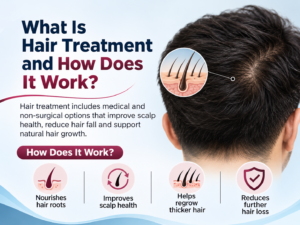
What Is Hair Treatment and How Does It Work?
Hair Treatment in Bhopal refers to medical and procedural approaches used to manage hair loss, improve hair density, and restore hair in selected areas of the scalp. Treatment works differently depending on the method selected. PRP uses platelet-rich plasma prepared from the patient’s own blood. Hair transplantation involves relocating follicles from a donor area to areas affected by hair loss. Other restoration procedures may focus on scalp health or improving the appearance of hair density.
The main objectives may include:
-
Managing ongoing hair shedding
-
Supporting existing hair follicles
-
Improving hair density in suitable patients
-
Restoring hair in areas with reduced growth
-
Addressing underlying medical causes
-
Developing a long-term hair care plan
People seeking Hair Loss Treatment in Bhopal should understand that results vary according to the cause of hair loss and the treatment used. No procedure can guarantee complete hair restoration for every patient.
Common Causes of Hair Loss
Understanding the cause of hair loss is an important step before starting any procedure. Hair thinning may develop gradually, while some conditions cause sudden shedding or patchy hair loss.
1. Genetic Hair Loss
Androgenetic alopecia is a common cause of progressive hair thinning. It may produce a receding hairline, thinning around the crown, or a widening part in women.
2. Hormonal Changes
Thyroid disorders, pregnancy-related changes, menopause, and certain hormonal conditions may contribute to hair shedding.
3. Nutritional Deficiencies
Iron deficiency and other nutritional problems may contribute to hair loss in some individuals. Testing and treatment should be based on clinical assessment.
4. Stress and Illness
Major illness, surgery, emotional stress, and certain medications may trigger temporary excessive shedding.
5. Scalp Disorders
Inflammation, infections, and some scarring scalp conditions can affect hair follicles and may require specific medical treatment.
6. Hair Care Practices
Frequent chemical treatments, excessive heat styling, and tightly pulled hairstyles may contribute to hair breakage or traction-related hair loss.
A proper assessment helps determine whether medical treatment, PRP, or a surgical option is suitable.
Types of Hair Restoration Treatments
Different procedures serve different purposes. The most appropriate option depends on the diagnosis, scalp condition, and patient’s expectations.
PRP Hair Treatment
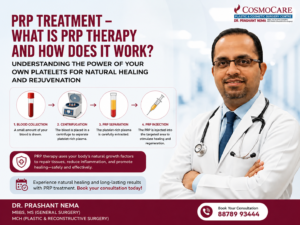
PRP Hair Treatment in Bhopal uses platelet-rich plasma prepared from a small sample of the patient’s blood. The blood is processed to concentrate platelets, and the prepared plasma is administered to selected areas of the scalp. Platelets contain growth factors and signaling proteins involved in normal tissue repair. PRP has been studied for certain types of hair thinning, particularly androgenetic alopecia, but the extent of benefit varies between patients.
The procedure generally involves blood collection, centrifugation, PRP preparation, and scalp application.
PRP may be considered for selected patients who have viable hair follicles. It does not create new follicles in completely bald areas, and it may not be appropriate for every cause of hair loss. Before choosing PRP Hair Treatment in Bhopal, patients should discuss the likely benefits, limitations, number of sessions, and possible side effects with a qualified clinician.
RHR Hair Restoration
RHR may refer to a specific hair restoration technique or service offered by a clinic. Because the abbreviation is not universally standardized, its full form and exact procedure should be confirmed before treatment.
Hair Restoration Treatment in Bhopal may include different approaches, but patients should not assume that all restoration techniques work in the same way.
Before proceeding with an RHR procedure, ask the provider about:
-
The full name and method of the procedure
-
Whether it is surgical or non-surgical
-
The evidence supporting its use
-
Expected results and limitations
-
Possible complications
-
The required recovery period
-
Whether maintenance sessions are necessary
People considering Hair Treatment near Minal Residency should receive clear information about the actual technique being offered rather than relying only on the procedure’s abbreviation.
Hair Transplant Treatment
Hair Transplant in Bhopal is a surgical procedure in which hair follicles are moved from a donor area, usually the back or sides of the scalp, to areas affected by hair loss.
Two commonly used techniques are:
FUE (Follicular Unit Extraction): Individual follicular units are extracted from the donor area and implanted into the recipient area.
FUT (Follicular Unit Transplantation): A strip of scalp is removed from the donor area, and follicular units are prepared for transplantation.
The choice depends on donor hair availability, scalp characteristics, desired coverage, and the surgeon’s assessment.
Hair Transplant in Bhopal may be suitable for selected patients with sufficient healthy donor hair and an appropriate pattern of hair loss. Transplantation does not stop the progression of untreated native hair loss, so additional medical management may be recommended.
PRP, RHR and Hair Transplant: What Is the Difference?
| Feature | PRP | RHR | Hair Transplant |
|---|---|---|---|
| Treatment type | Injection-based procedure | Depends on the specific technique | Surgical procedure |
| Main purpose | May support selected thinning hair | Depends on the defined method | Relocates hair follicles |
| Donor hair required | No | Technique-dependent | Yes |
| Recovery | Usually limited | Technique-dependent | Requires postoperative care |
| Results | Variable | Depend on the method | Gradual hair growth |
| Maintenance | May be needed | Depends on the procedure | Further management may be needed |
Patients comparing Hair Restoration Treatment in Bhopal options should consider the cause of hair loss, the expected outcome, recovery requirements, and long-term costs rather than choosing a procedure based on its name alone.
Hair Loss Treatment in Bhopal: When Should You Seek Help?
Hair Loss Treatment in Bhopal may be appropriate when hair shedding becomes persistent, the hairline begins to recede, or the scalp becomes increasingly visible.
Early assessment may help identify treatable causes before further hair loss develops.
Consider consulting a qualified clinician if you notice:
-
Persistent or excessive hair shedding
-
Gradual thinning around the crown
-
A widening part or receding hairline
-
Sudden bald patches
-
Scalp redness, itching, or pain
-
Hair loss after an illness or medication change
-
Hair thinning accompanied by other medical symptoms
Sudden or patchy hair loss should not automatically be treated with cosmetic procedures. Some conditions require specific medical evaluation and treatment.
People looking for Hair Treatment near JK Road should consider a medical consultation before starting injections or surgical procedures, especially if the cause of hair loss is unclear.
Hair Treatment Procedure: Step-by-Step Process
The treatment process varies according to whether PRP, RHR, or hair transplantation is selected.
Step 1: Consultation
The specialist reviews the patient’s concerns, medical history, family history, medications, and previous treatments.
Step 2: Scalp Examination
The scalp and existing hair are examined to assess hair density, follicle health, and the pattern of hair loss. Blood tests may be advised when clinically necessary.
Step 3: Treatment Planning
The specialist discusses suitable procedures, potential benefits, limitations, risks, and expected recovery.
Step 4: Preparation
For PRP, a small blood sample is collected using sterile equipment. For hair transplantation, the donor and recipient areas are assessed and prepared.
Step 5: Treatment
PRP is processed and administered to the selected scalp areas. Hair transplantation involves extracting and implanting follicles according to the planned surgical technique. RHR procedures follow the protocol of the specific technique being offered.
Step 6: Aftercare
The patient receives instructions regarding scalp hygiene, medications, activity restrictions, and follow-up visits.
Hair Treatment in Bhopal should always be planned according to the patient’s medical needs, rather than following the same procedure for everyone.
Who Is a Suitable Candidate for Hair Restoration?
Suitability depends on the cause of hair loss and the selected treatment.
PRP may be considered for certain types of thinning where viable follicles remain. Hair transplantation may be appropriate for people with a suitable pattern of hair loss and sufficient healthy donor hair.
A potential candidate should:
-
Have an appropriate diagnosis
-
Understand realistic treatment outcomes
-
Have suitable scalp and follicle health
-
Meet the medical requirements for the procedure
-
Understand possible risks and limitations
-
Be willing to follow aftercare instructions
Some patients with active scalp infections, inflammatory conditions, certain blood disorders, or uncontrolled medical conditions may require additional assessment or alternative treatment.
A consultation is essential before deciding between PRP and surgery.
Is Hair Restoration Safe?
PRP and hair transplantation may be performed safely in appropriately selected patients by qualified professionals using suitable clinical protocols. However, every procedure has potential risks.
Possible PRP side effects include:
-
Temporary pain or tenderness
-
Mild swelling
-
Redness or bruising
-
Discomfort at injection sites
Hair transplantation may involve swelling, bleeding, infection, scarring, temporary shedding, or changes in scalp sensation. In some cases, graft growth may be inadequate or the cosmetic result may differ from expectations.
Before Hair Transplant in Bhopal, patients should discuss their medical history, medications, allergies, and individual risk factors with the surgeon.
Recovery After Hair Treatment
Recovery depends on the treatment performed.
After PRP, patients may experience temporary tenderness or redness and can often return to routine activities relatively quickly, subject to medical advice.
After hair transplantation, patients may need to:
-
Follow instructions for washing the scalp
-
Avoid rubbing or scratching the treated area
-
Avoid strenuous exercise for the recommended period
-
Protect the scalp from unnecessary irritation
-
Take prescribed medication as directed
-
Attend follow-up appointments
Transplanted hairs commonly shed during the early recovery period before new growth develops. Final results take time and vary between individuals.
How Many Sessions Are Needed?
There is no single treatment schedule for every patient.
PRP may require a series of initial sessions followed by maintenance, depending on the diagnosis and response. The number and timing of sessions should be determined by the treating clinician.
The frequency of RHR procedures depends on the exact technique. Patients should ask the provider for a clear treatment schedule and explanation of the expected benefits.
Hair transplantation is planned according to the extent of hair loss and the available donor follicles. Some patients may require additional procedures in the future.
When Can You See Results?
Hair restoration results generally develop gradually.
With PRP, changes in shedding or hair density may take weeks to months to become noticeable, if a patient responds to treatment.
After hair transplantation, transplanted hairs often shed during the early weeks. New growth typically develops over the following months, with further improvement commonly occurring over approximately 9–12 months or longer.
The final result depends on the underlying condition, follicle health, treatment technique, and individual response.
Why Is Diagnosis Important Before Hair Restoration?
Hair loss may result from genetic factors, nutritional deficiencies, thyroid disorders, hormonal changes, stress, or scalp diseases. Each cause may require a different treatment approach.
A proper assessment helps determine:
-
Whether the hair loss is temporary or progressive
-
Whether the hair follicles remain viable
-
Whether an underlying medical condition requires treatment
-
Whether PRP may be appropriate
-
Whether sufficient donor hair is available
-
Whether long-term maintenance is necessary
Patients exploring Hair Loss Treatment in Bhopal should understand that treating an underlying medical cause may be more important than proceeding directly to a cosmetic procedure.
Hair Treatment Near Minal Residency, Bhopal
Patients searching for hair restoration services around NMR, A-400, New JK Road, Near Gate No. 4, Minal Residency, Bhopal, Madhya Pradesh 462010, should confirm the clinic’s exact location and available procedures before visiting.
Dr. Prashant Nema can assess individual concerns and discuss appropriate treatment options during consultation. Patients should understand the expected results, recovery requirements, and possible risks before proceeding with any procedure.
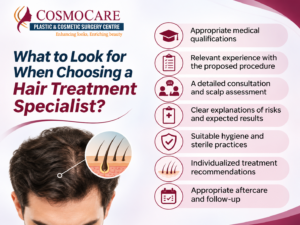
Why Choose a Qualified Hair Restoration Specialist?
A qualified specialist can help patients understand the difference between medical treatment, PRP, restoration procedures, and hair transplantation.
When selecting a provider, consider:
-
Appropriate medical qualifications
-
Relevant experience with the proposed procedure
-
A detailed consultation and scalp assessment
-
Clear explanations of risks and expected results
-
Suitable hygiene and sterile practices
-
Individualized treatment recommendations
-
Appropriate aftercare and follow-up
Before proceeding with Hair Restoration Treatment in Bhopal, patients should confirm who will perform the procedure and whether the recommended technique is appropriate for their diagnosis.
Frequently Asked Questions – Hair Treatment in Bhopal
1. What is hair restoration treatment?
Hair restoration includes medical and procedural options for managing hair loss or improving hair density. Options may include medicines, PRP, specific restoration techniques, and hair transplantation.
2. Is PRP effective for hair loss?
PRP may improve hair density in selected patients with certain types of hair thinning. Results vary, and it is not suitable for every cause of hair loss.
3. What is the difference between PRP and hair transplantation?
PRP uses concentrated platelets from the patient’s own blood. Hair transplantation is a surgical procedure that moves hair follicles from a donor area to areas affected by hair loss.
4. What does RHR mean?
RHR may refer to a particular hair restoration technique or service. Patients should confirm the full form, procedure, evidence, and expected outcomes with the clinic.
5. Is hair transplantation permanent?
Successfully transplanted follicles may provide long-lasting hair growth. However, untreated native hair may continue to thin, and further medical treatment may be required.
6. How long does hair transplantation take to show results?
New growth develops gradually over several months. Many patients continue to see improvement for around 9–12 months or longer.
7. Is PRP treatment painful?
Some patients experience mild discomfort during blood collection and scalp injections. The clinician may use appropriate measures to improve comfort.
8. Can PRP and hair transplantation be combined?
They may be included in an overall treatment plan for selected patients. The timing and expected benefits should be discussed with the treating specialist.
9. Who is suitable for hair transplantation?
Suitable candidates generally have an appropriate pattern of hair loss and enough healthy donor hair. A clinical assessment is necessary before surgery.
10. How do I choose a hair treatment clinic near Minal Residency?
Check the treating professional’s qualifications, the clinic’s location, the procedure being offered, hygiene standards, and availability of follow-up care before making a decision.
Conclusion – Hair Treatment in Bhopal
Hair loss can have several causes, and the most suitable treatment depends on the patient’s diagnosis, scalp condition, existing hair density, and individual expectations. PRP, RHR-based procedures, medical management, and hair transplantation each have different applications, benefits, and limitations.
Hair Treatment in Bhopal should begin with a proper medical evaluation and an individualized plan. Patients living near NMR, A-400, New JK Road, Gate No. 4, and Minal Residency can use these locality details when researching relevant hair restoration services.
Dr. Prashant Nema provides consultation for cosmetic and reconstructive concerns, with an emphasis on individualized assessment and informed treatment decisions. Patients considering hair restoration should seek a professional evaluation to understand which options may be suitable for their needs.